
Did you know that there is a Canada-wide, free program that empowers students to take action against plastic pollution? A program that engages students and teachers in waste reduction education and citizen science in their communities?
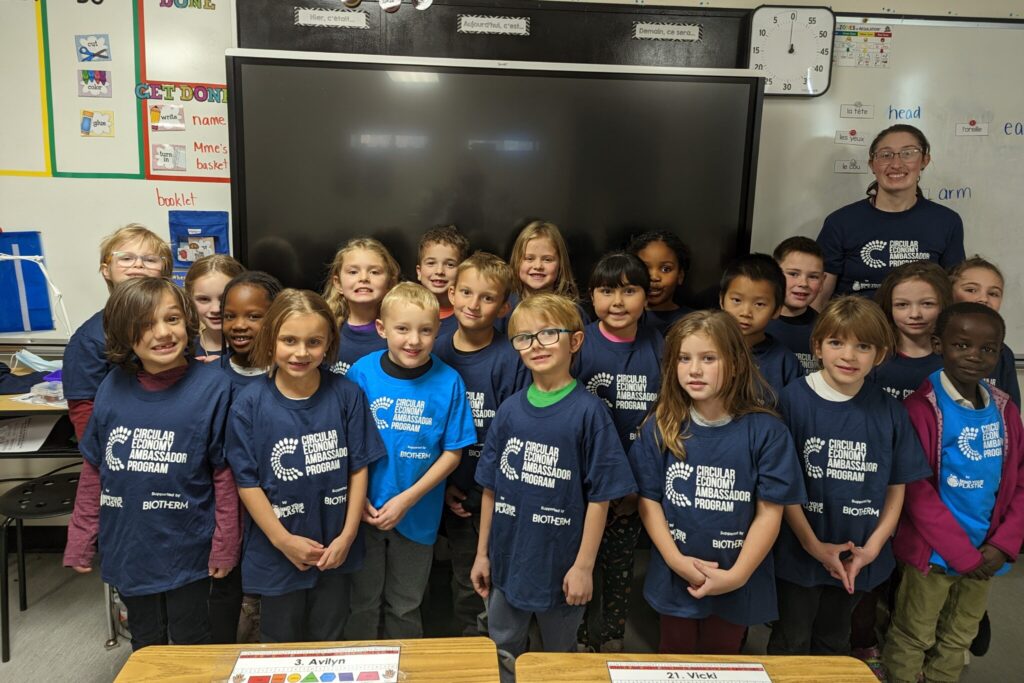
This is the Circular Economy Ambassador Program (CEAP) by Mind Your Plastic (MYP)!
The motivation behind the CEAP is simple. The program aims to educate, empower and watch students become leaders in the fight against plastic waste. At MYP, we are passionate about eliminating plastic pollution and we believe that education plays a major role!
To understand CEAP’s impacts on students’ attitudes towards plastic waste pollution, we dove into the results of our 2023 program. Let’s dive into our findings!
Diving into Data
We developed surveys for two student age groups, 5-12-years-old and 13-18-years-old. These surveys gathered demographic information, and assessed the accuracy of students’ existing knowledge, waste-related opinions, and perceived learning outcomes.
Here’s how we did it:
- Pre-cleanup survey: taken before students performed litter cleanups in their communities and the associated learning experiences.
- Post-cleanup survey: taken after the cleanup to capture changes in students’ knowledge throughout the program.
Both surveys asked the same questions to assess the program’s impacts on students’ awareness and attitudes towards plastic waste/pollution.
Our Findings
A total of 253 students (8 schools) participated in both surveys. Below is a brief overview of the insights and changes we found from students.
Student Demographics
- 36% of responses came from schools in Saskatchewan.
- 28% of responses came from schools in Alberta.
- 39% of surveyed students were 9-10 years old.
- 26% of surveyed students were 13-14 years old.
- 16% of surveyed students were 7-8 years old.
Correct vs. Incorrect Questions
- Before the program: only 7% of students correctly identified the definition of a circular economy.
- After the program: almost 43% of students accurately defined a circular economy.
The students also improved their understanding of the amount of truly recycled plastic each year. Specifically, an extra 10% of students responded correctly after the cleanup and learning.
“As the students continued on their journey toward environmental stewardship through the CEAP, a pivotal realization emerged: recycling alone cannot single-handedly combat the scourge of plastic pollution. Instead, our focus must shift to the root of the issue – the relentless production of plastic.“
Opinion Questions
These questions show a glimpse into student perspectives on plastic pollution, including the problem’s causes and possible solutions.
- Before participating in the program, almost 19% of students indicated that the crisis was “not important.”
- After participating in the program, only 3% of students still maintained that opinion. This shows that the program really helped students realize the seriousness of the problem.
Student perspectives shifted on the causes of plastic pollution. Students realized that our plastic overconsumption is not the main issue but producers and retailors, who are the main contributors. This highlights CEAP’s ability to help students recognize the larger systemic influences at play.
Learning Expectations
We asked questions to encourage students to reflect on their experiences with CEAP. We wanted to learn about what students had expected and enjoyed about the program, and what inspired them to take further action. We hoped to strengthen learning outcomes and develop a true sense of connection to the issue of plastic pollution.
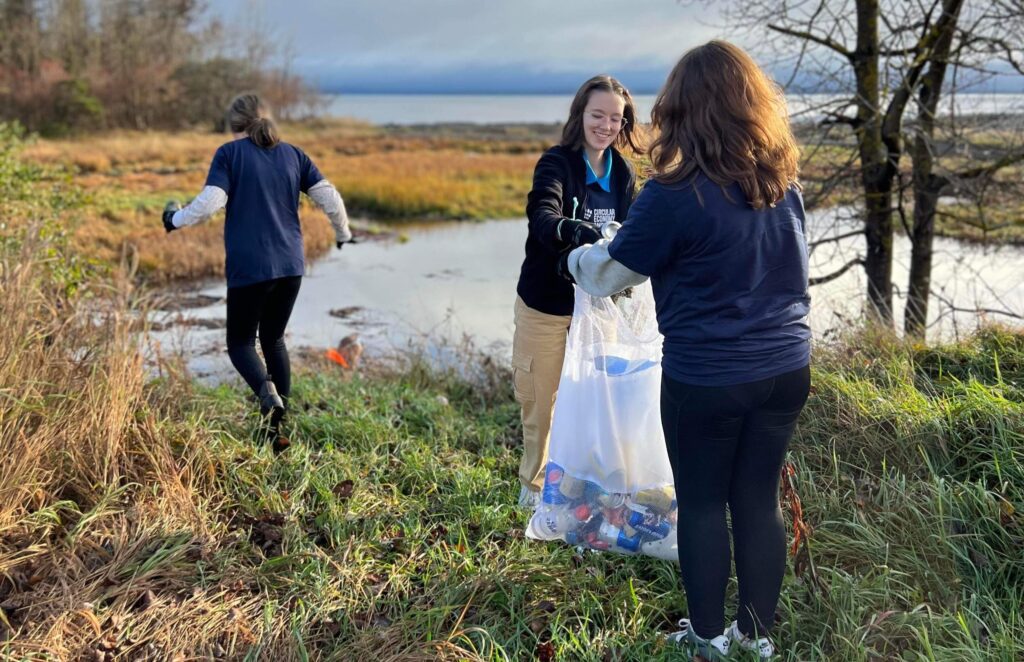
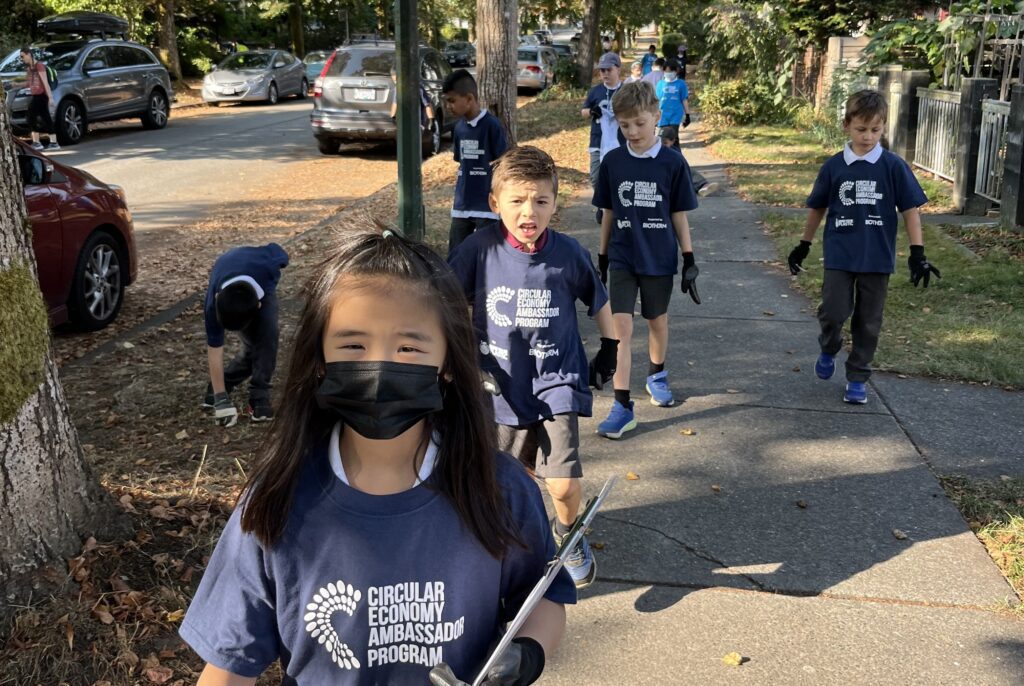
Students most enjoyed cleaning up their communities. They enjoyed making a tangible difference by picking up litter in their local environments.
Most importantly, after the cleanup, over 75% of students felt inspired to carry on and take action against plastic pollution. This demonstrates how powerful access to programs like CEAP can be!
“The CEAP effectively combines the hands-on action of the cleanup with in-class education, empowering students to become successful environmental stewards.”
What’s Next?
Mind Your Plastic is thrilled to have more than 5,000 Canadian students enrolled in the 2023-2024 program! This involvement helps us assess how students learn from CEAP and how they apply their learning to their daily lives.
It takes leaders with knowledge and passion to change the world. The data shows that CEAP is sparking this leadership in Canadian youth. Our team is excited to dive into 2024 pre- and post-clean up survey results to better understand CEAP’s impacts.
We hope to continue to increase the number of CEAP participants across Canada and share the benefits of a real circular economy.
- If you’re an educator, click here to sign-up today to be part of this incredibly powerful program in 2025!
- If you’re not an educator, make a difference today by donating to MYP. You can help support the circular education of thousands of Canadian students each year. A $20 donation means that another student can participate in our program for free!
- If you have any questions about this program, please do not hesitate to contact education@mindyourplastic.ca
While this blog provides a very brief overview of 2023 CEAP student survey findings, we have compiled an insightful summary of the entire results. If you would like to read more about these results, find the the full 2023 survey summary here!
About the Author
Michelle Brake is the Program and Policy Manager at Mind Your Plastic (MYP). She holds a bachelor’s and a master’s degree in political science from Wilfrid Laurier University in Waterloo, Ontario. Learn more about Michelle here!

