
The United Nations designated May 20th as annual World Bee Day. Despite the name, the day not only celebrates bees but other types of pollinators, too. World Bee Day raises awareness about the importance of these animals, threats they face, and how we can protect them.

The Purpose of Pollination
All flowering plants (angiosperms) reproduce sexually using pollen (male sex cell) and an ovum (female sex cell). Most of these plants depend on wind, water, and animals (pollinators) to carry their pollen to other flowers for fertilization. The spread of pollen between different individuals helps to increase the genetic diversity of a population. It also provides more opportunities for seed fertilization and dispersion.
Humans very heavily rely on the flowers that animals help pollinate. Over 75% of the crops we grow for food and plant-based products depend on animal pollinators to thrive. These crops include fruits, vegetables, nuts, and seeds. Pollination is also key for the production of human favourites like coffee!
Pollinators and flowers work side by side in this mutualistic relationship. For the most part, the pollinator benefits from using the flower’s nectar and pollen as food sources. On the other hand, the flower benefits from having its genetic information spread throughout the environment. There are many different species of pollinators. Check out some of the ones below.
Bees
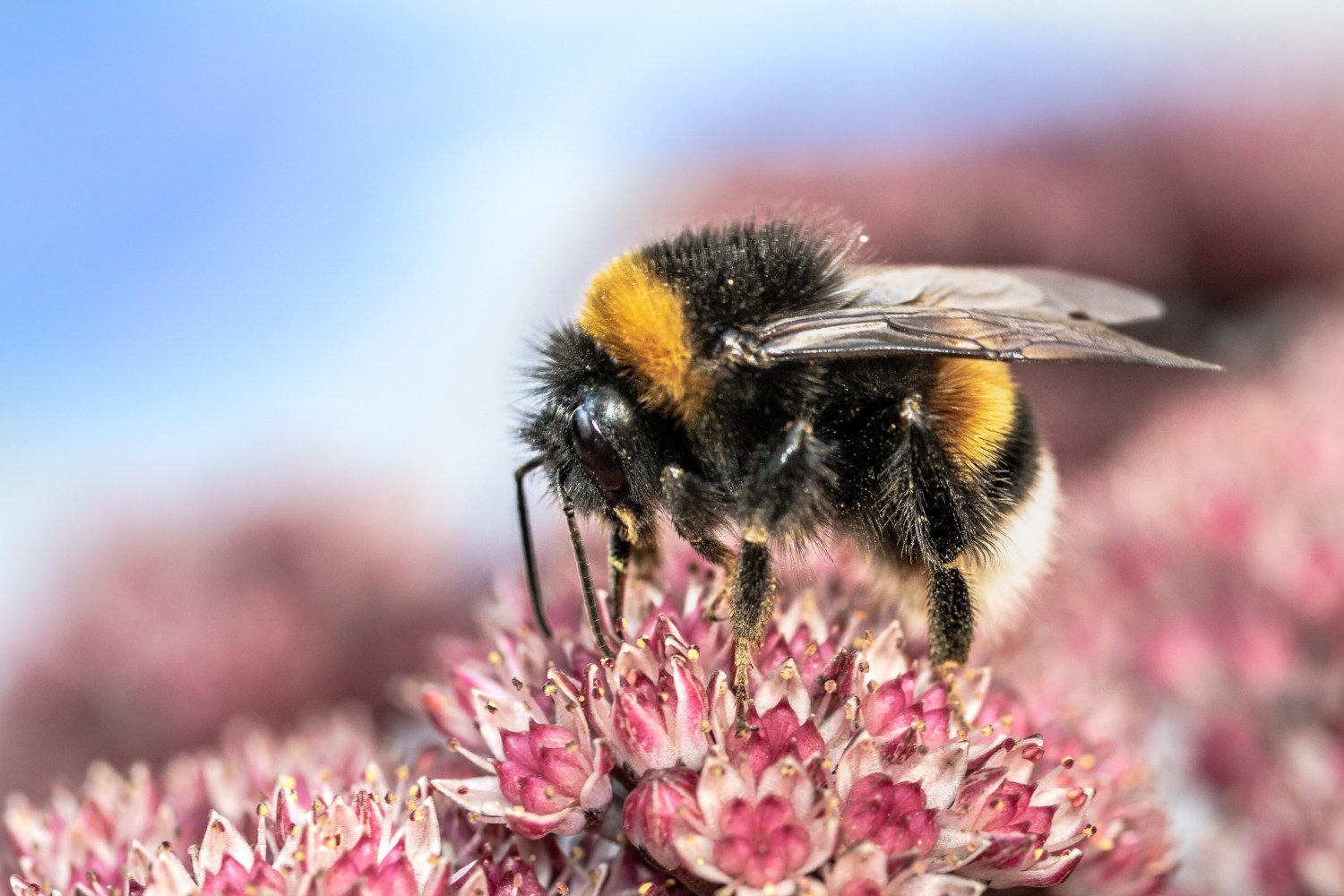
Bees are arguably the most well-known pollinators. There are over 20,000 known species of them worldwide, most of which participate in pollination to varying degrees. Certain bees are especially effective pollinators like the Bumblebee (genus Bombus) and Solitary Bees (family Megachillidae). Many bees have hairs on their hind legs that can trap pollen, called pollen baskets. Some bees employ “buzz pollination,” using flight muscles to create vibrations that knock pollen loose from a flower. Also, some bee species collect waxes and resins from flowers to build their hives, picking up pollen in the process.
Other Insects
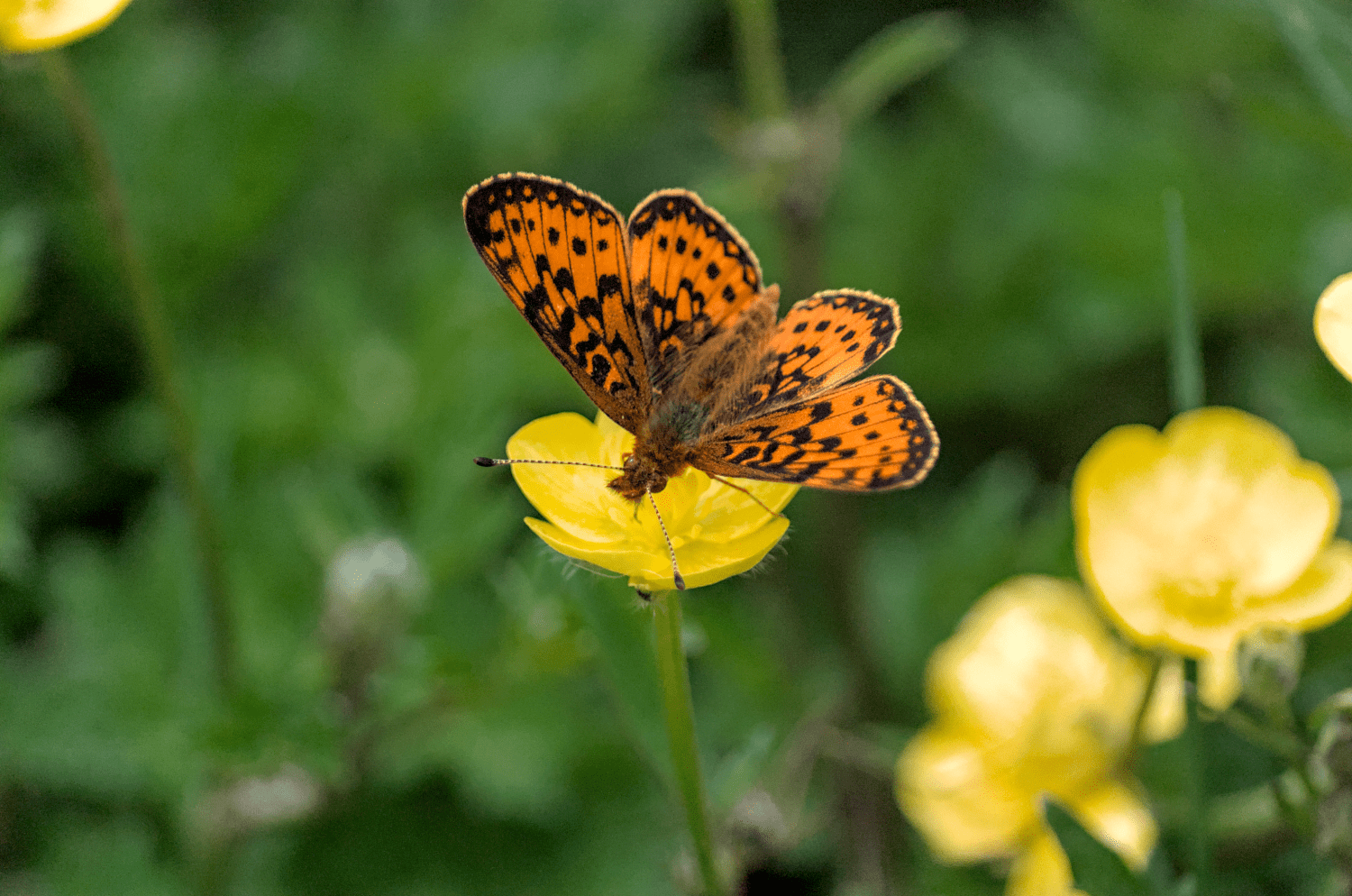
Many other insects are important pollinators. Butterflies and moths also participate in pollination. As they fly from flower to flower to collect nectar, their legs or other body parts pick up and transfer pollen. Certain plants wholly depend on butterflies and moths for pollination. Likewise, scientists discovered in 1913 that mosquitoes can engage in pollination, particularly pollinating small plants found in wet environments. Hoverflies and beetles are further examples of pollinators.
© Rebecca Wiseman
Vertebrates
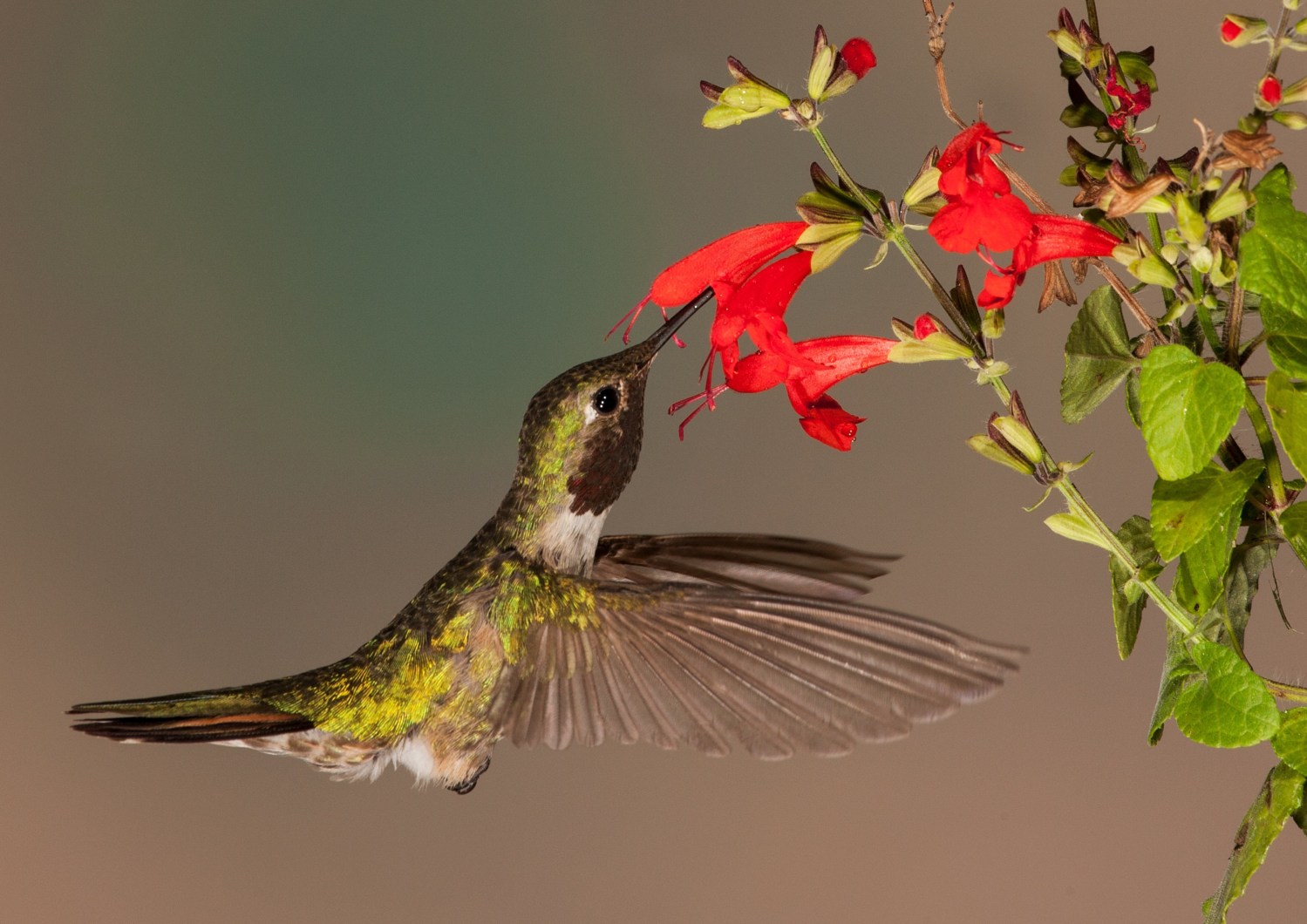
Hummingbirds, some bats, monkeys, lemurs, and rodents are also effective pollinators. These mammals, both flying and non-flying, get pollen caught in their fur when they forage for nectar. Hummingbirds have a long beak they use to reach nectar deep inside a flower. This causes pollen to get stuck on their feathers, especially on their head, and the beak itself.
Threats
Pollinators face several threats. Around 17% of vertebrate pollinators and 35% of invertebrate pollinators are at risk of extinction. Habitat loss is a large threat that primarily results from human developments. Other threats include extreme weather events linked to climate change, and invasive species that outcompete native flowers. Pesticide misuse also poses several threats to pollinators including impeded reproduction, cognitive delays or even death.
How Can You Help?
Check out the great tips below to help out your local pollinators:
- Plant native wildflowers:
- There are several resources available to figure out which flowers are native to your region. For example, check out this database from Watersheds Canada.
- You can also remove invasive plants that compete with native species for resources.
- Make your home pollinator friendly:
- Avoid using pesticides that harm pollinators.
- Fill a bowl with water for thirsty bees to drink from.
- Make a supplement food source for hummingbirds
- This guide contains instructions and safety precautions to take when preparing a hummingbird feeder.
- Make sure to keep the feeder clean. Also, change out the sugar water often to prevent growth of mold and harmful bacteria.
- Purchase honey locally to support beekeepers in your area.
- Raise awareness:
- Discuss with family and friends
- Post on social media
- Volunteer at a local organization
References
1United Nations. (2025). World Bee Day. https://www.un.org/en/observances/bee-day
2Brehaut, L. (2022, April 4). Why even self-pollinating coffee needs the birds and the bees for better beans. National Post. https://nationalpost.com/life/food/why-even-self-pollinating-coffee-needs-the-birds-and-the-bees-for-better-beans
3Pollen basket. Amateur Entomologists’ Society. (n.d.). https://www.amentsoc.org/insects/glossary/terms/pollen-basket/
4Lovely Lepidoptera: Pollinating Butterflies and Moths. Pollinator Partnership Canada. (2022, May).https://www.pollinator.org/pollinator.org/assets/generalFiles/Lepidoptera-Fact-Sheet.pdf#:~:text=While%20feeding%20on%20nectar%2C%20butterflies%20and%20moths,rely%20on%20them%20exclu%2D%20sively%20to%20reproduce.
5Statman-Weil, Z. (n.d.). Aedes communis: The Pollinating Mosquito. US Forest Service. https://www.fs.usda.gov/wildflowers/pollinators/pollinator-of-the-month/aedes_communis.shtml
6Frederike. (n.d.). Pollinator insects: list of hard-working helpers in the garden. Plantura Magazine. https://plantura.garden/uk/insects/helping-insects/pollinator-insects
7Palmer, Brooke. (2022, June 9). What’s That Buzz? A Pollination Syndrome in Your Garden. Denver Botanic Gardens. https://www.botanicgardens.org/blog/whats-buzz-pollination-syndrome-your-garden
8Jim. (2023). What Do Honey Bees Make? A Comprehensive Guide To Hive Products. Beekeeping For Newbies. https://www.beekeepingfornewbies.com/what-do-honey-bees-make-a-comprehensive-guide-to-hive-products/
9Birds. (n.d.). Pollinator Partnership Canada. https://pollinatorpartnership.ca/en/birds#:~:text=Hummingbirds%20are%20the%20primar y%20birds,breed%2C%20in%20order%20to%20thrive.
10Threats to pollinators. Pollinator Partnership Canada. (n.d.). https://pollinatorpartnership.ca/en/threats-to-pollinators
About the Author
Rebecca is a graduate of Memorial University of Newfoundland and holds a Bachelor of Science degree in Biology with a concentration in Applied Ecology and Conservation. Outside of academics she is also an avid birder and does wildlife photography.
 SCIFAA