
I remember as a child looking up at the birds high above the treetops. I remember thinking, I’d like to be a bird. And I remember dreaming of soaring through the sky and gliding on the winds like a bird. But as I grew older, the birds fell into the backdrop of my life.
Then, years later, a chance green heron (see images below) sighting would lead me to start a new hobby – birding.


Birding is for Everyone!
Birding is a wonderful way to (re)connect with the natural world. Indeed, Canadians of all ages, abilities, and backgrounds are taking up this relatively inexpensive hobby. And conveniently, birds are everywhere! Birds live in cities, rural communities, parks, and backyards, so you can go birding without travelling too far from home. Thus, with only a field guide and binoculars you can set out on your first birding adventure. There are also some great apps available to bird enthusiasts including, the Merlin Bird ID App and eBird Canada.
Birds are Fascinating and Important
Listening to the birds and watching them interact with each other and their environment brings joy and can improve well-being. What’s more, with so many different kinds of birds to observe there is always something new to learn about them. Through observation we can learn more about the strategies birds use and patterns they follow to survive. Plus, watching bird behaviour is truly captivating. Moreover, we owe birds a big thank you for the essential services they provide like plant pollination, seed dispersal, and insect control.
Migratory Birds
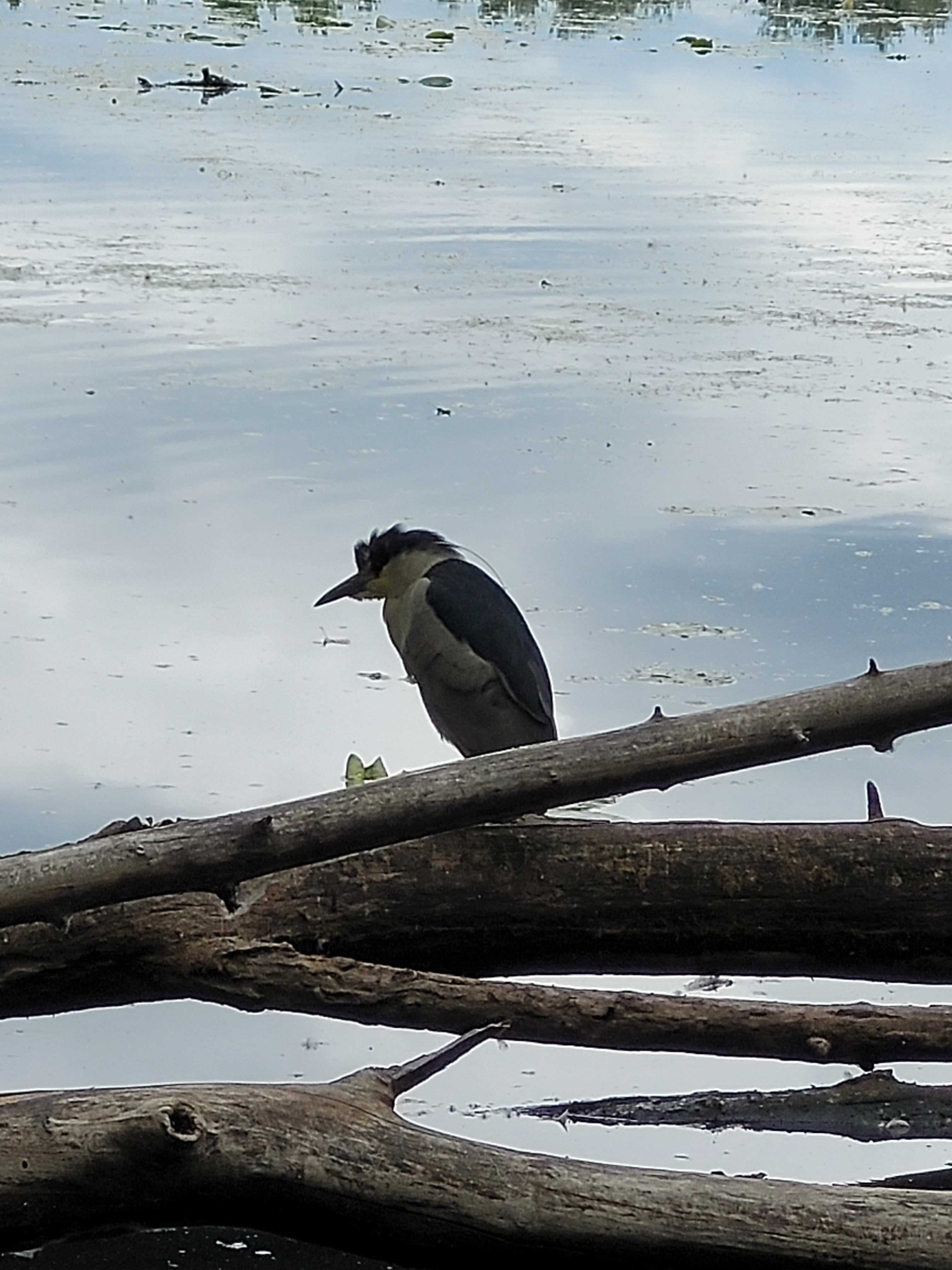
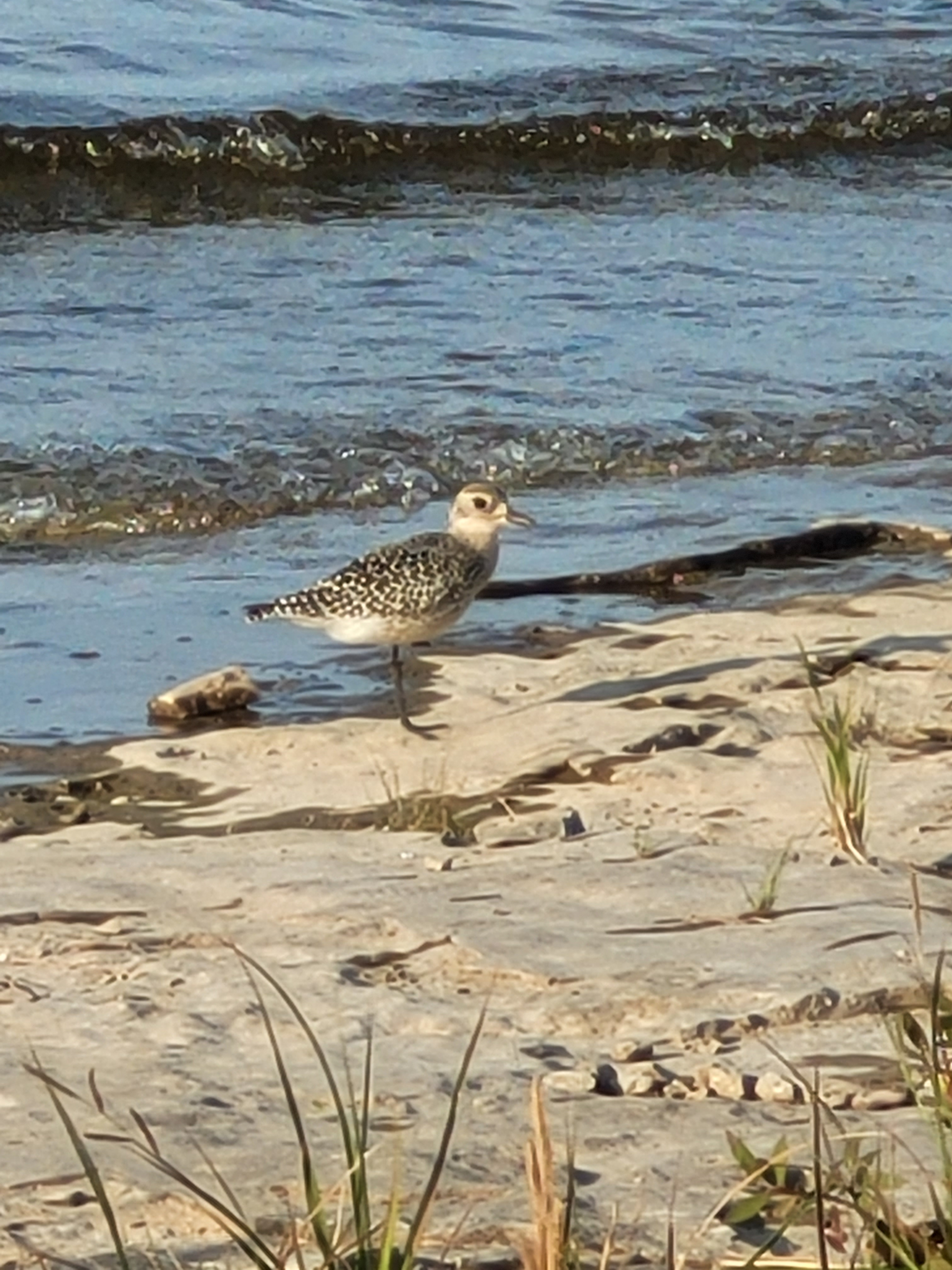

Perhaps one of the most remarkable and awe-inspiring behaviours of some birds is their seasonal migration. Migratory birds often travel thousands of kilometres. These long journeys can be difficult and dangerous. Migrating birds face many challenges including those that result from human activities and urban sprawl. In fact, only about 50 per cent of migrating adult songbirds successfully return to their breeding grounds each year.
But for birders, spring and fall migration are possibly the most exciting times of the year. Spring migration is particularly thrilling because, after a winter lull in bird activity, migratory birds begin returning in waves. During spring migration birds are travelling to their breeding grounds. These birds have their bright breeding colours on display. They also sing beautiful songs, engage in courtship rituals, and build or find nests for their young.
Birding is Science
All birds require a specific combination of environmental conditions to survive and reproduce. So, things like temperature, precipitation, a suitable habitat, and the ability to move between habitats, are important to birds. Indeed, birds are sometimes forced to relocate to survive when environmental conditions fail to meet their needs. Therefore, birds can tell us a lot about the overall health of our ecosystems and the environment.
Unfortunately, as our planet warms, the environmental conditions of the habitats that birds rely on are changing. In turn, this impacts the behaviours and ranges of birds. But there is good news! Birds are easy to identify and count.
Consequently, detailed bird observations have been recorded for more than one hundred years. Thus, there is a large quantity of scientific information related to the distribution and abundance of birds over time. This is important because a comparison of present-day observations with previous records helps us better understand what is happening today. For example, counting birds in a given place each year allows us to detect declines in bird species early on. This is critical for conservation activities.
Additionally, the various kinds of birds present in an area will live in different habitats. For example, you might find water birds, coastal birds, and land birds, all living within the same region. Therefore, it is important to monitor the behaviour and range of diverse species living in distinct habitats. This could help to identify common external factors that influence changes across species and habitat.
Certainly, recorded bird observations are critical to our understanding of what is happening in an ecosystem. So, it’s amazing that as a birder you can become a citizen scientist by sharing your own bird observations.
Citizen Science
Observations collected through citizen science initiatives provide crucial information to scientists. These scientists can use this data to understand how environmental changes affect birds. Notably, as citizen scientists’ birders play a vital role in tracing nesting success, bird migration, and changes in bird numbers over time. The insights gained from this data can help develop conservation plans and guide our actions for bird and habitat protection.
The contributions that citizen scientists make to data sets are extremely important. And there’s always room for one more citizen scientist to join the flock!
About the Author
Cheryl Soullière is an avid amateur birder who holds a MSc, a honours BSc, a BA, and a Diploma in Sustainability. She is an accomplished biologist and experienced researcher with expertise in sustainability and learning and development.
 SCIFAA