
It’s always challenging to resist the allure of the latest diet and trend. Maybe you scrolled through Instagram only to find more keto brownie recipes, or overhead friends discussing intermittent fasting. The truth is, for people with diabetes, diet is consistently at the forefront of our concerns. As a type one diabetic, grappling with a chronic disease centered on diet can be frustrating, even if you are super healthy. There are several diets out there, often making promises and guarantees that we all know are not realistic. Let’s dive into some of the most common diets and their advantages for diabetics.
Keto Diet
Let’s start with the keto diet. This diet earns its name because it induces a state called ketoacidosis. Ketoacidosis occurs when the body cannot use carbohydrates for energy. This prompts the body to break down fats and proteins instead. The breakdown of fats and proteins produces a substance called ketones (Diabetic Ketoacidosis – Symptoms & Causes – Mayo Clinic, 2022). Ketones are acidic and can lead to a state of metabolic acidosis, known as ketoacidosis.
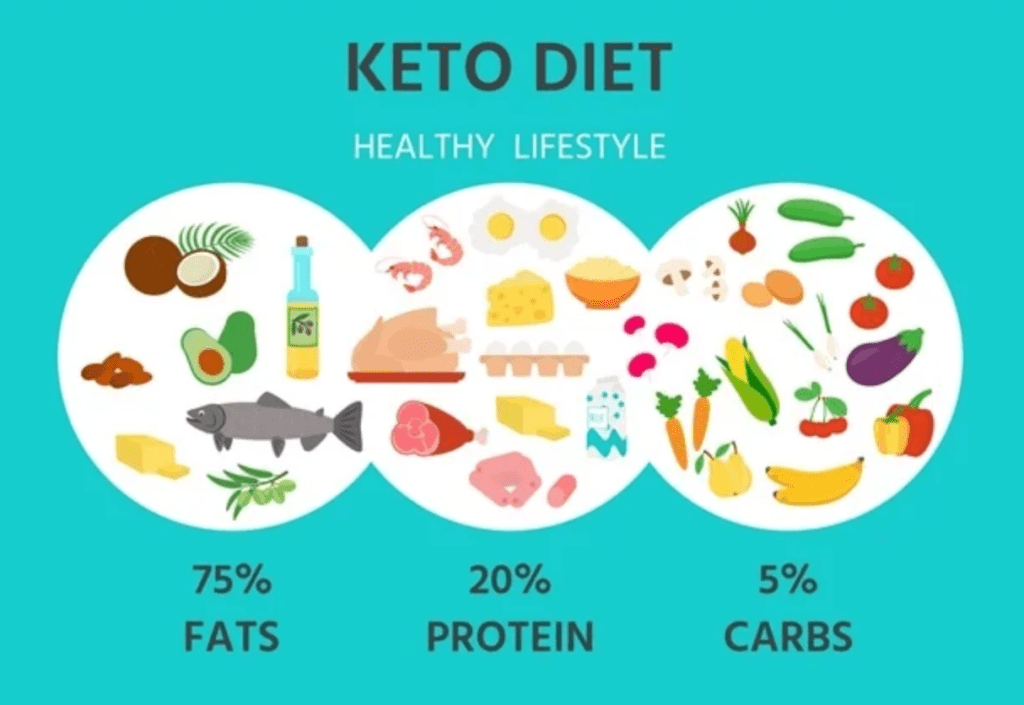
Individuals on the keto diet are restricted to no more than 50 g of carbs a day. This can drop as low as 20 g of carbs a day (Cissn, 2023). Carbohydrates are found in small amounts in various vegetables, meats, and dairy products. Keto dieters usually avoid carb-heavy foods to avoid surpassing the daily carbohydrate limit (Diabetic Ketoacidosis – Symptoms & Causes – Mayo Clinic, 2022). This diet proves effective for weight loss because the body resorts to fat stores for energy, resulting in weight reduction. For type 2 diabetics, who are not entirely insulin-dependent, this is a proven effective way to reduce/eliminate need for antihyperglycemic medication like metformin.
Nonetheless, for type 1 diabetics, adhering to this diet can lead to serious medical complications and even fatal consequences. For individuals completely reliant on insulin, ketoacidosis can progress to diabetic ketoacidosis. This is a life-threatening condition and a medical emergency (Diabetic Ketoacidosis – Symptoms & Causes – Mayo Clinic, 2022). Lower-carb diets have at times shown benefits for people with type 1 and type 2 diabetes. Nonetheless, keto diets cannot substitute antihyperglycemic agents in type 1 diabetes as they can for type 2 diabetes (Cissn, 2023).
Intermittent Fasting
While many diets concentrate on what you eat, intermittent fasting focuses on when you eat. This diet entails a series of fasts ranging from 12 to 48 hours. The most common practice is the 8/16 fast (image below). This involves an 8-hour window for eating and a 16-hour-long fast (Intermittent Fasting: What Is It, and How Does It Work?, 2023). This approach also includes alternating between normal eating days and fasting days.
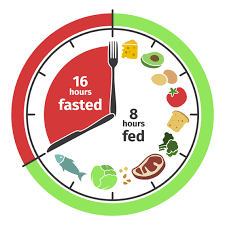
Intermittent fasting operates through a method known as metabolic switching. This occurs when the body depletes its glucose stores and turns to fat stores from energy, causing overall fat loss (Intermittent Fasting for Weight Loss in People With Type 2 Diabetes, 2023). To keep a normal body weight, a person will consume their usual daily meals. The energy from those meals will be used throughout the day. For weight loss, the energy needed must surpass the energy used. This is commonly referred to as a caloric deficit or negative energy balance. Intermittent fasting demonstrates some benefits for type 2 diabetes, especially those with weight loss goals (Intermittent Fasting for Weight Loss in People With Type 2 Diabetes, 2023). It can enhance insulin sensitivity, control snacking, and help manage meal times for more accurate management.
That being said, benefits have not been proven for type 1 diabetes. Individuals with type 1 diabetes have higher risk of hypoglycemia. This is because of the need for continuous insulin therapy, requiring a consistent meal schedule and snacking based on glucose levels to keep normal glucose levels (Intermittent Fasting: What Is It, and How Does It Work?, 2023). It is not impossible to practice intermittent fasting while maintaining normal glucose levels but there are minimal benefits.
Juice Cleanse
Juice cleanses are a prevalent and popular diet trend. They can offer an excellent way to consume more fruits and vegetables that one might typically intake.

Nonetheless, this poses a concern for many diabetics. Juice cleanses are not recommend for those with diabetes due to their high glycemic index (Ld, 2019). The glycemic index measures the impact of carbohydrates and glucose on blood glucose levels. Consider two items, a glass of orange juice and a wrap, both containing 30 g of carbohydrates. The presence of protein and fats in the wrap slows down glucose absorption, causing less significant blood glucose level impacts. Conversely, the fat-free and protein-free glass of orange juice will significantly increase glucose levels due to its high/concentrated sugar content. Thus, juice cleanses are not advisable for patients with diabetes (Ld, 2019).
Conclusion
There are a plethora of diets and trends. Nonetheless, the gold standard for type 1 and 2 diabetics has consistently been a balanced diet comprising:
- 15-20% protein
- Less than 35% fat
- 45-60% carbohydrates
- 25-50g of fibre/day
Emphasis should be placed on foods with a low glycemic index (Diabetes Diet: Create Your Healthy-eating Plan, 2023). In the realm of diets, finding the right balance is key for diabetes management. So, let’s stick to the recipe of moderation and personalized nutrition for a healthier journey ahead.
References
Cissn, R. M. M. (2023, November 7). The Ketogenic Diet: A detailed beginner’s guide to keto. Healthline. https://www.healthline.com/nutrition/ketogenic-diet-101
Diabetes diet: Create your healthy-eating plan. (2023, April 13). Mayo Clinic. https://www.mayoclinic.org/diseases-conditions/diabetes/in-depth/diabetes-diet/art-20044295
Diabetic ketoacidosis – Symptoms & causes – Mayo Clinic. (2022, October 6). Mayo Clinic. https://www.mayoclinic.org/diseases-conditions/diabetic-ketoacidosis/symptoms-causes/syc-20371551# Intermittent fasting for weight loss in people with type 2 diabetes. (2023, November 21). National Institutes of Health (NIH). https://www.nih.gov/news-events/nih-research-matters/intermittent-fasting-weight-loss-people-type-2-diabetes
Intermittent Fasting: What is it, and how does it work? (2023, September 29). Johns Hopkins Medicine. https://www.hopkinsmedicine.org/health/wellness-and-prevention/intermittent-fasting-what-is-it-and-how-does-it-work
Ld, A. H. R. (2019, April 8). Is juicing safe and healthy if you have diabetes? Healthline. https://www.healthline.com/nutrition/juicing-for-diabetics
About the Author
Alegria Benzaquen is a third-year nursing student at McMaster University and co-president of the McMaster Diabetes Association (MDA). The McMaster Diabetes Association aims to improve awareness and end misinformation surrounding diabetes. Check out their Instagram here!
 SCIFAA