
As our global population continues to increase, so has resource consumption and waste production. Ideally, we would love to have a balance between production and consumption. Nonetheless, since the 1700s, we have been consuming far more natural resources that we are replacing. Unsurprisingly, our greediness is implicated in horrific global impacts. One example is the destruction of the ozone layer. We managed to destroy the ozone layer through human activity, like fossil fuel burning from industrial plants or even driving.1 As mentioned, this is just one of several examples of how human activities have negatively affected Earth.
Rather than pointing fingers and assigning blame, the United Nations (UN) has developed 17 Sustainable Development Goals (SDGs). These goals are believed to be needed to help collectively take action to make a better Earth(Figure 1).2 The idea is that if we are aware of these issues, we will try to seek more sustainable options. If this is the case, the UN believes we will be closer to ending poverty and protecting Earth by the end of 2023.2
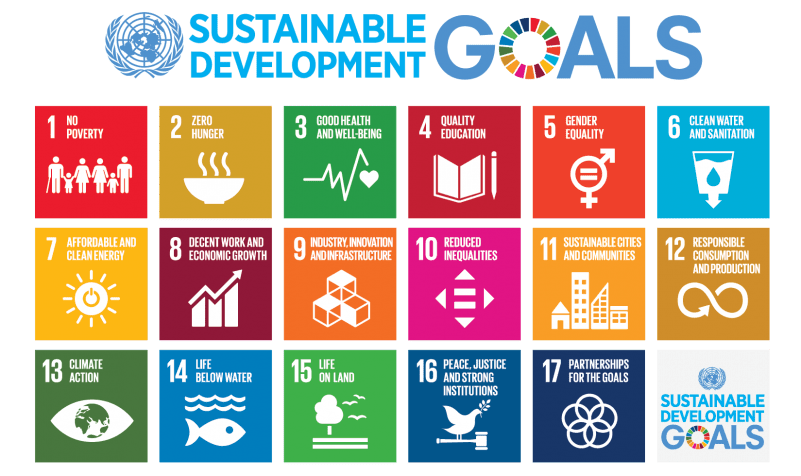
Figure 1. The UN Sustainable Development Goals to support the 2030 Agenda for Sustainable Development.
With such a big goal, everyone needs to take action. Thankfully, the chemistry community has been interested in this challenges for a few decades now. Our idea of Green Chemistry typically comes from the “12 Principles of Green Chemistry” (PGC) introduced by P. Anastas and J. Warner in 1980 (Figure 2).3,4 The 12 PGCs outline the most important things for chemists to consider when designing a reaction or synthetic plan. For example, the goal of almost every synthetic chemist is to develop more selective reactions that use milder conditions. This would also allow the amount of energy used and waste produced during the reaction to be reduced.3 Not only is this reaction type more attractive from a synthetic perspective but from a green chemistry perspective, too.
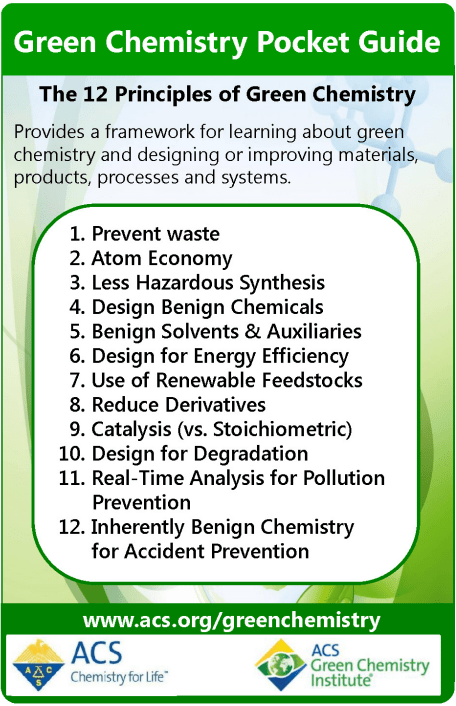
Figure 2. The 12 Principles of Green Chemistry.3
The UN Sustainable Development Goals and 12 Green Chemistry Principles ultimately seek to achieve the same goal. That is, to create a more sustainable, less toxic, and safer world. We can see direct relations between chemistry and the PGCs to at least seven of the 17 SDGs. These include the following:5
- Zero hunger (Goal 2)
- Good health and well-being (Goal 3)
- Clean water and sanitation (Goal 6)
- Affordable and clean energy (Goal 7)
- Industries, innovation and infrastructure (Goal 9)
- Responsible consumption and production (Goal 12)
- Climate action (Goal 13)
Goals 2 and 3: Chemistry is instrumental to agriculture and food production. Sustainable and less toxic food production methods will lower the negative global impacts of food production. It will help nourish more people, especially those in need (PGC 4 & 7).
Goal 6: Dirty, natural waters are primarily the result of excessive amounts of waste. The best way to remove waste is to not produce it (PGC 1).
Goal 13: Developing catalysts for essential transformations that use mild conditions and consume unwanted side products to make useful products. For example, repurposing carbon dioxide (greenhouse gas) to methanol (valuable for industry).
The UN Sustainable Development Goals do not apply exclusively to chemists. Nonetheless, we as a community can recognize the role we play in achieving them, using the 12 PGC as a guide.
References
(1) Ozone Layer. National Geographic. https://education.nationalgeographic.org/resource/ozone-layer/ (accessed March 2023)
(2) The 17 Goals. United Nations. https://sdgs.un.org/goals (accessed March 2023)
(3) 12 Principles of Green Chemistry. ACS Chemistry https://www.acs.org/greenchemistry/principles/12-principles-of-green-chemistry.html (accessed March 2023)
(4) Anastas, P. T.; Warner, J. C. Green Chemistry: Theory and Practice, Oxford University Press: New York, 1998, p.30. By permission of Oxford University Press.
(5) Chemistry and Sustainable Development Goals. ACS Chemistry https://www.acs.org/sustainability/chemistry-sustainable-development-goals.html#:~:text=Chemistry%20will%20help%20meet%20the,by%20advancing%20cleaner%20fuel%20technologies (accessed March 2023)
About the Author
Karolina Rabeda is a Ph.D. student in the Lautens Group at the University of Toronto and a GCI Member-at-Large. To read more articles from the UoFT GCI, click here.
 SCIFAA